
Panagia Arkoudila
For those who enjoy exploring on foot, the journey to Asprokavos offers a rewarding mix of nature, history, and breathtaking views at the southernmost tip of the island.
Start your route from Asprokavos, the island’s southern edge. The Venetians once called this area Cavo Bianco—“White Cape”— a name later adapted by the Greeks into Asprokavos (aspro meaning “white” in Greek).
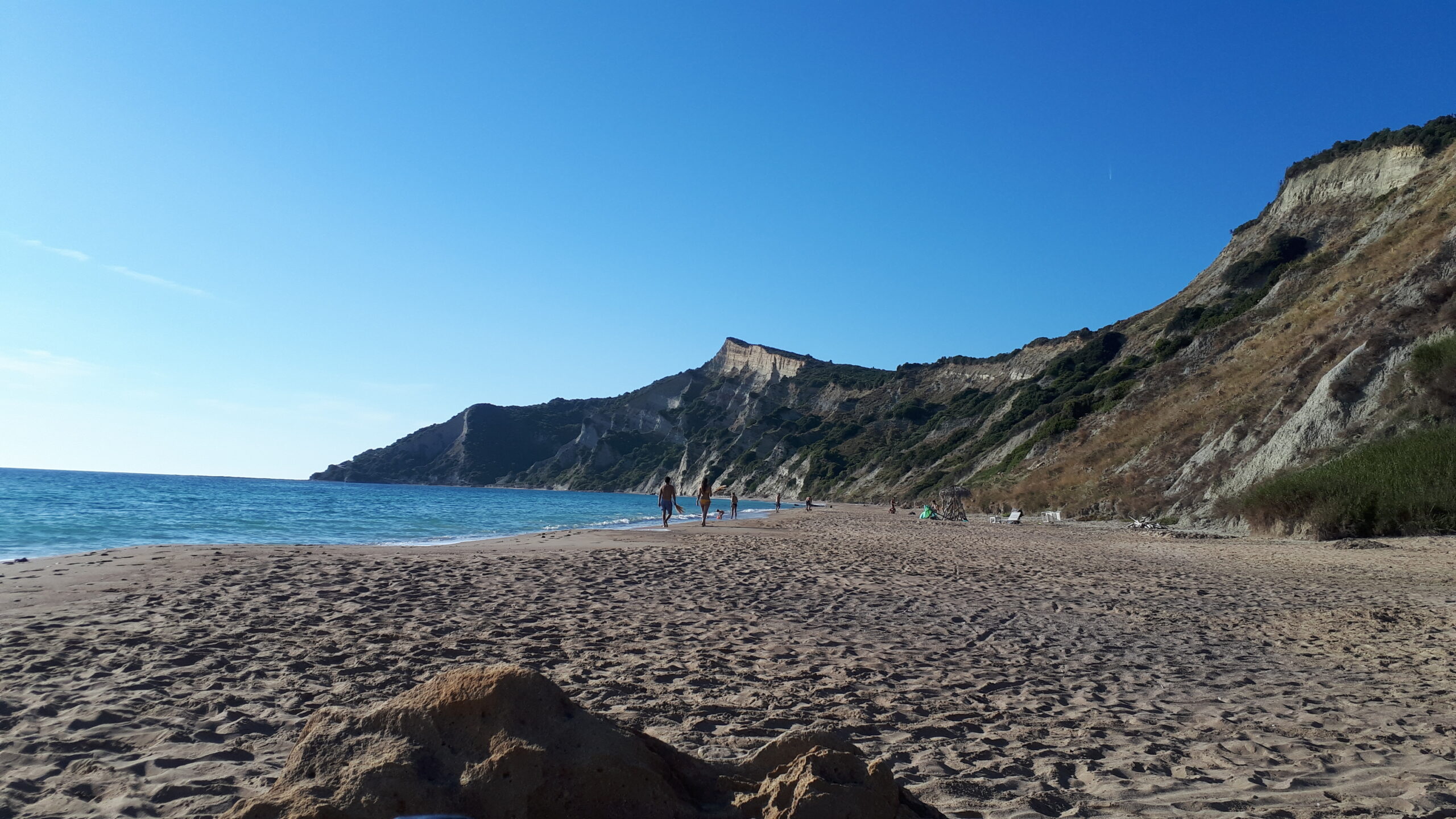
Asprokavos Beach is a long, wide stretch of sand nestled between the mountains. It’s especially special in June, when large sea turtles come ashore to lay their eggs.
In recent years, from June through September, a small setup of sunbeds, umbrellas, and a kiosk offers refreshments. Still, if you’re seeking peace and quiet, simply walk a little further—you’ll easily find your own secluded spot.
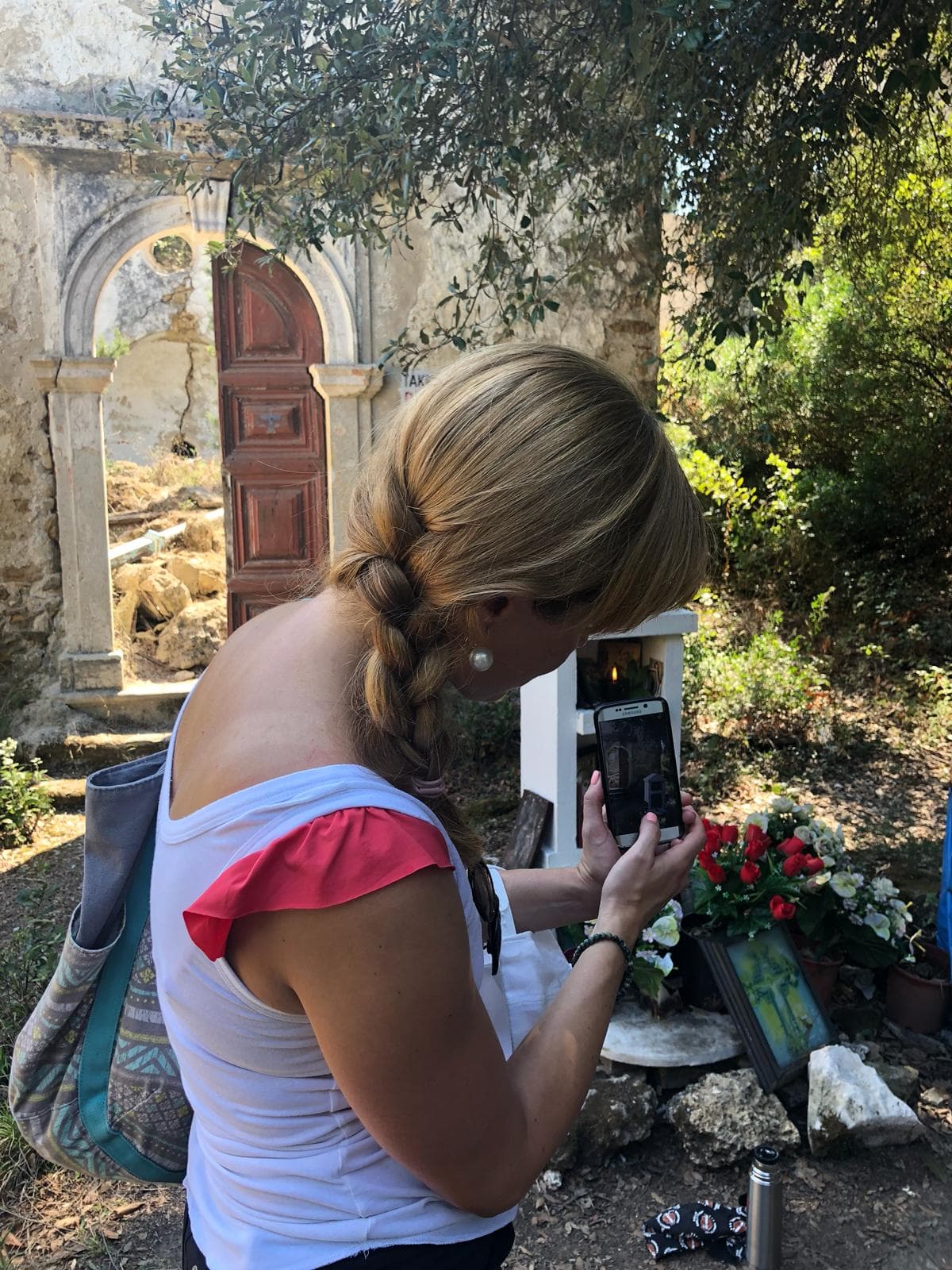
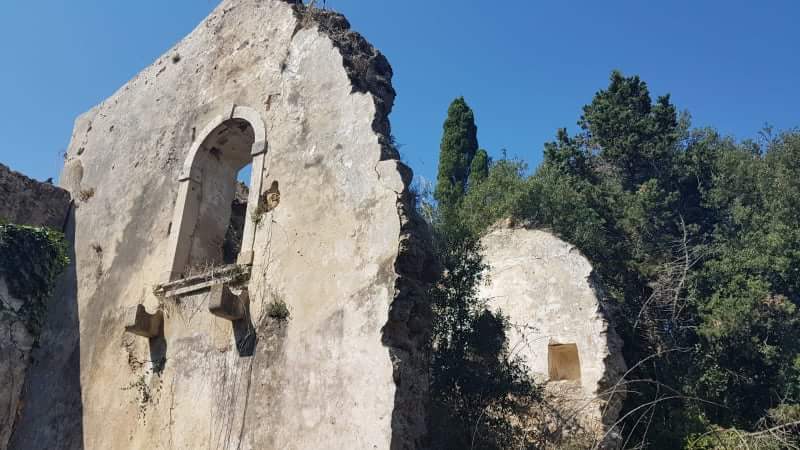
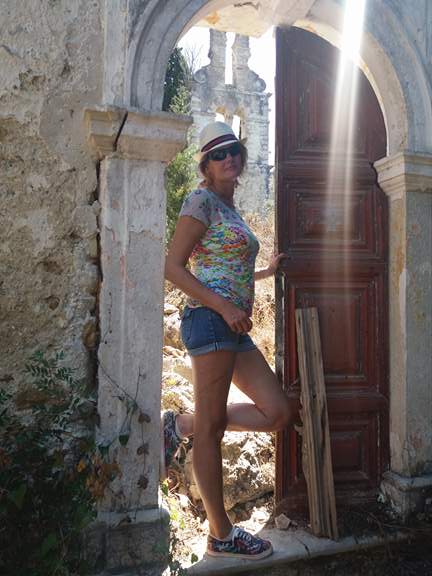
Don’t miss the path leading to the Panagia Arkoudilas Monastery. Its partially abandoned structures—old fortifications, vaulted defensive buildings, a bell tower, and stairways that seem to lead into the sky—invite you to step back in time and imagine life here in the 17th century.
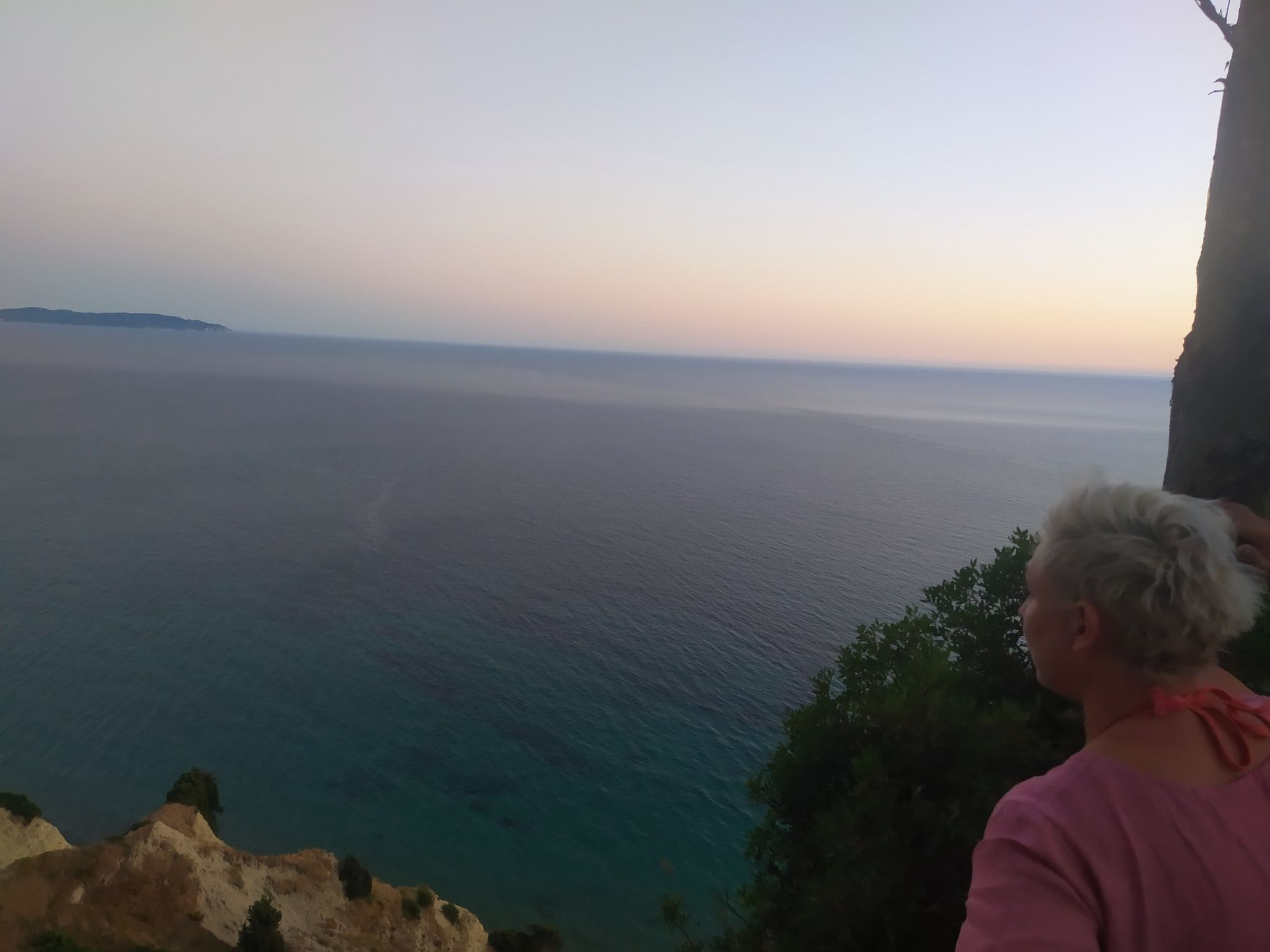
The hike up is moderately challenging, but absolutely worth it. From around 125 meters above sea level, you’ll enjoy stunning views over the Ionian Sea, with the island of Paxos visible in the distance.
The name Arkoudila is believed to be very old, first mentioned in a notarial deed in 1562. While it may seem connected to the Greek word arkouda (“bear”), bears never lived here. More likely, it refers to local “bear trees,” or possibly comes from a combination of arcos (“defense”) and dilon (“a place suitable for defense”). The area’s dense forest made it an ideal refuge from pirate attacks for nearby villagers.
There are several legends surrounding the monastery’s origin. One story tells of a noblewoman who built it, while her sister constructed the Monastery of Kyros ton Angelon in Lefkimmi. Another version speaks of two brothers building the monasteries at the same time. The monastery was later renovated or completed around 1710.
By 1753, the church belonged to the aristocratic Italian Quartan family, listed in the Libro d’Oro (Golden Book of Nobility). Above the entrance gate—where the bell tower once stood—you can still see their coat of arms: a hand holding a pomegranate, an ear of wheat, and a grape. These symbolize spring, summer, and autumn. Winter is absent, traditionally associated with hardship and decline. Interestingly, the family name is said to derive from the Italian phrase quarta no—“there is no fourth.”
Next to the monastery once stood a defensive tower known as “The Door,” where monks sought refuge from pirates. Stairs near the bell tower led up to it, and local stories even mention an underground passage connecting the monastery to the sea.
Around 40 years ago, a severe storm caused the roof to collapse, and the monks eventually left. Although restoration plans were considered, they were postponed during the financial crisis. Today, the site still holds spiritual significance: on August 15th, the Feast of the Assumption, locals gather here to light candles in a nearby chapel. It is believed to be a place of healing, where prayers are offered for the sick. The small chapel itself was built by a family in gratitude after their daughter recovered from a serious illness.
Before you leave, take a different path back—continue deeper into the forest instead of retracing your steps. The trail is now marked and will lead you back toward the main road near the beach. It’s a beautiful walk and a perfect way to end your visit.