
Sideritis – Greek Mountain Tea
A beloved herbal tradition with ancient roots, Greek mountain tea is as comforting as it is beneficial—enjoyed for both its flavor and its remarkable healing properties.
One of Greece’s most special plants is mountain tea, known locally as sideritis. It has been enjoyed for over 2,000 years—not only for its delicate taste, but also for its many health benefits. According to Greek mythology, even the Titans drank it—perhaps that’s how they became so strong.
Mountain tea is made from the leaves and flowers of the sideritis plant. There are more than 150 species in this genus, 27 of which grow in Greece. Each variety has its own unique flavor, influenced by the different levels of natural compounds, such as catechins, found in the plant.
Sideritis thrives in high altitudes, growing on rocky mountain slopes with very little water or soil—making it a true symbol of resilience in the Greek landscape.
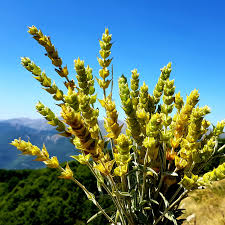
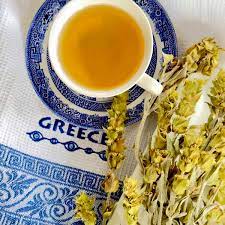
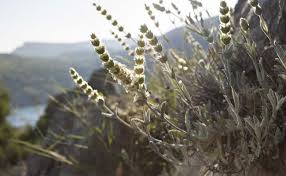
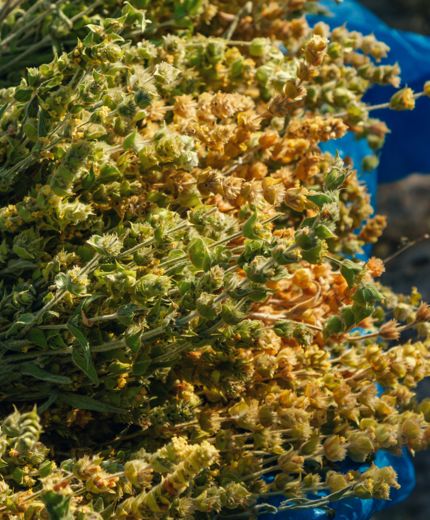
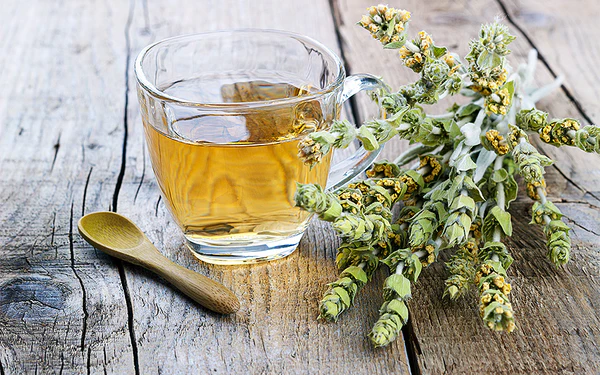
Across Greece, mountain tea often takes its name from the region where it grows—such as “Olympus” or “Parnassus.” In English, it’s simply known as “mountain tea,” while another common name is “shepherd’s tea,” as shepherds traditionally gathered and brewed it while tending their flocks in the mountains.
This herbal infusion is especially popular during the winter months. In Greek households, it’s the go-to remedy for colds, flu, and general discomfort. It’s also known to aid digestion, reduce anxiety, and support the immune system.
There’s even a classic Greek grandmother’s rule: drink at least one cup a day—and you’ll stay healthy! (An interesting note: despite its benefits for humans, the plant is toxic to horses.)
In ancient Greece, physicians like Dioscorides and Theophrastus believed sideritis could help heal wounds sustained in battle. The plant’s long, slender stem—resembling a spear—may even have inspired its name. Hippocrates, often called the father of modern medicine, also praised it for supporting the immune and respiratory systems.
Modern research continues to support its reputation. A 2011 study published in the Journal of Ethnopharmacologyexamined the flavonoid content of sideritis species and found strong antimicrobial, anti-inflammatory, analgesic, antibacterial, antifungal, and antispasmodic properties. It was even suggested that mountain tea may be as effective as green tea in reducing oxidative stress.
So it’s no surprise that this “herb of the Titans” is associated with a wide range of benefits:
- Supports memory and cognitive function
- Aids digestion
- Helps regulate blood pressure
- Contributes to bone health
- Relieves pain and inflammation
- Reduces anxiety and stress
Whether you enjoy it for its soothing taste or its wellness benefits, a cup of Greek mountain tea is a simple and authentic way to connect with the country’s natural traditions.