
Panagia Arkoudila: The Hidden Gem of Asprokavos
Step off the beaten path and into the soul of Southern Corfu. From the sun-drenched sands of Asprokavos to the hauntingly beautiful ruins of Panagia Arkoudilas, this journey is more than just a hike—it’s a walk through centuries of Venetian history, pirate legends, and untouched nature.
For those who find their rhythm on the trail, the southern tip of Corfu offers an unforgettable escape. Historically known by the Venetians as Cavo Bianco (“White Cape”), the Greeks later translated this to Asprokavos.
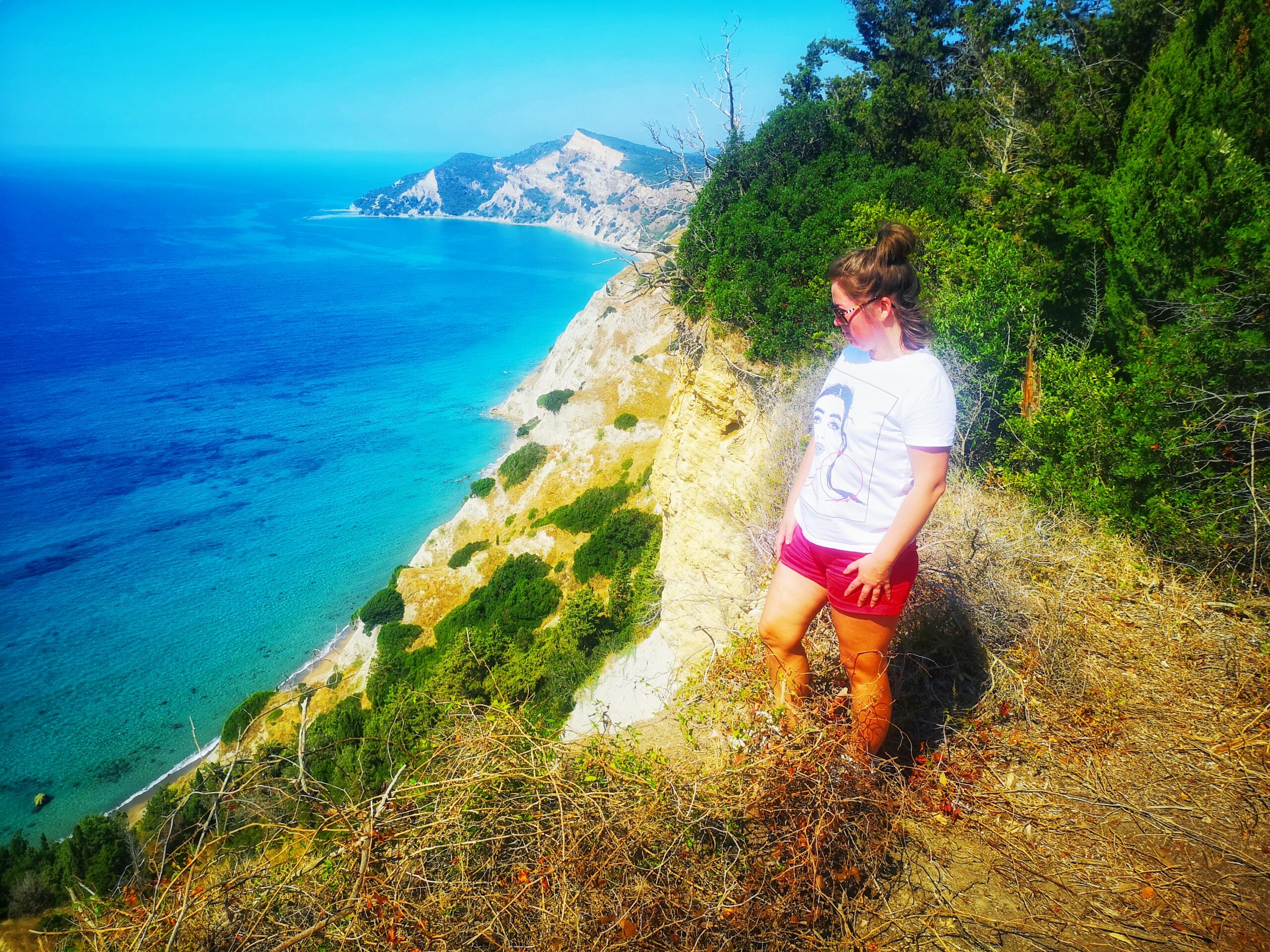
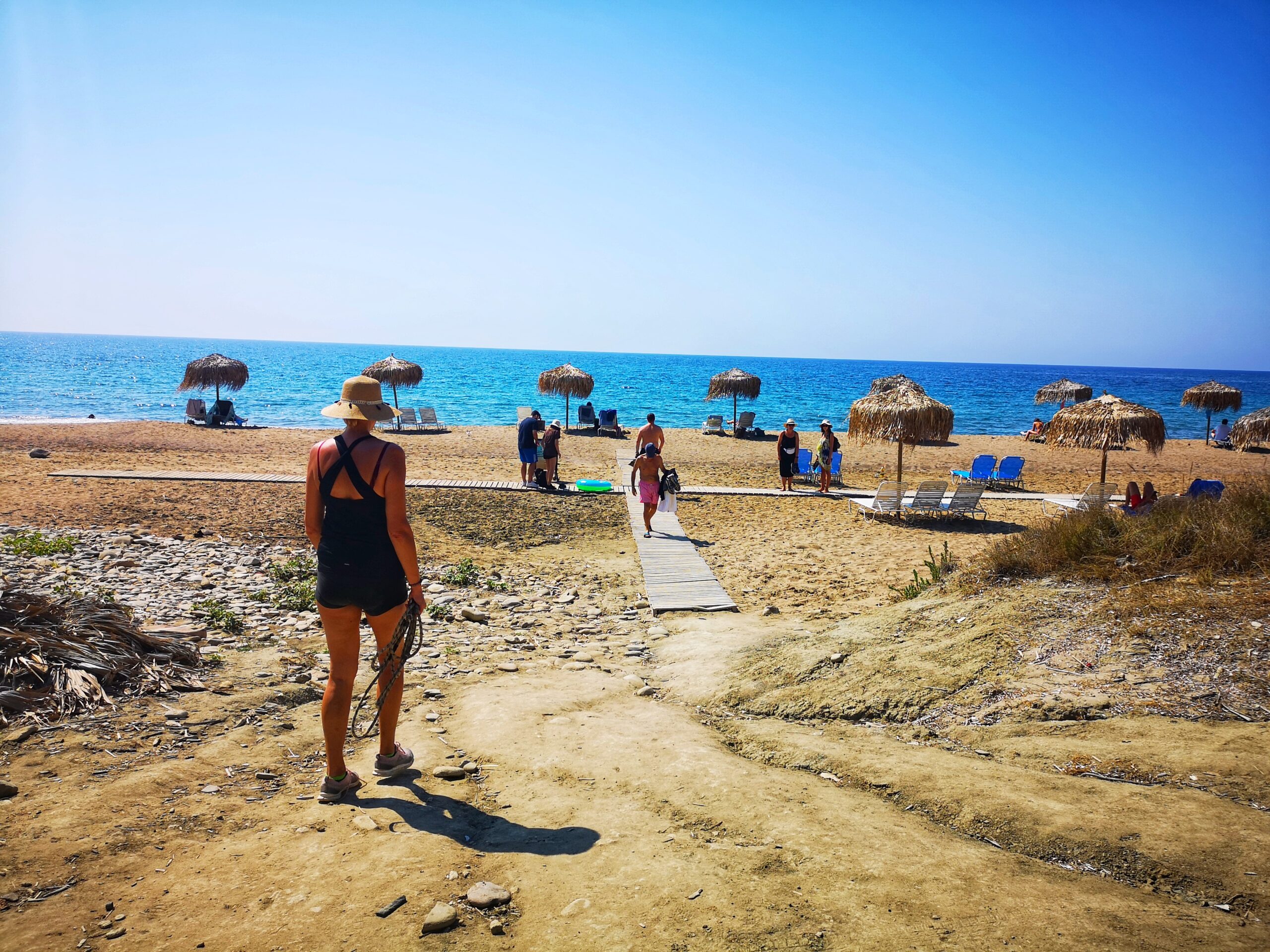
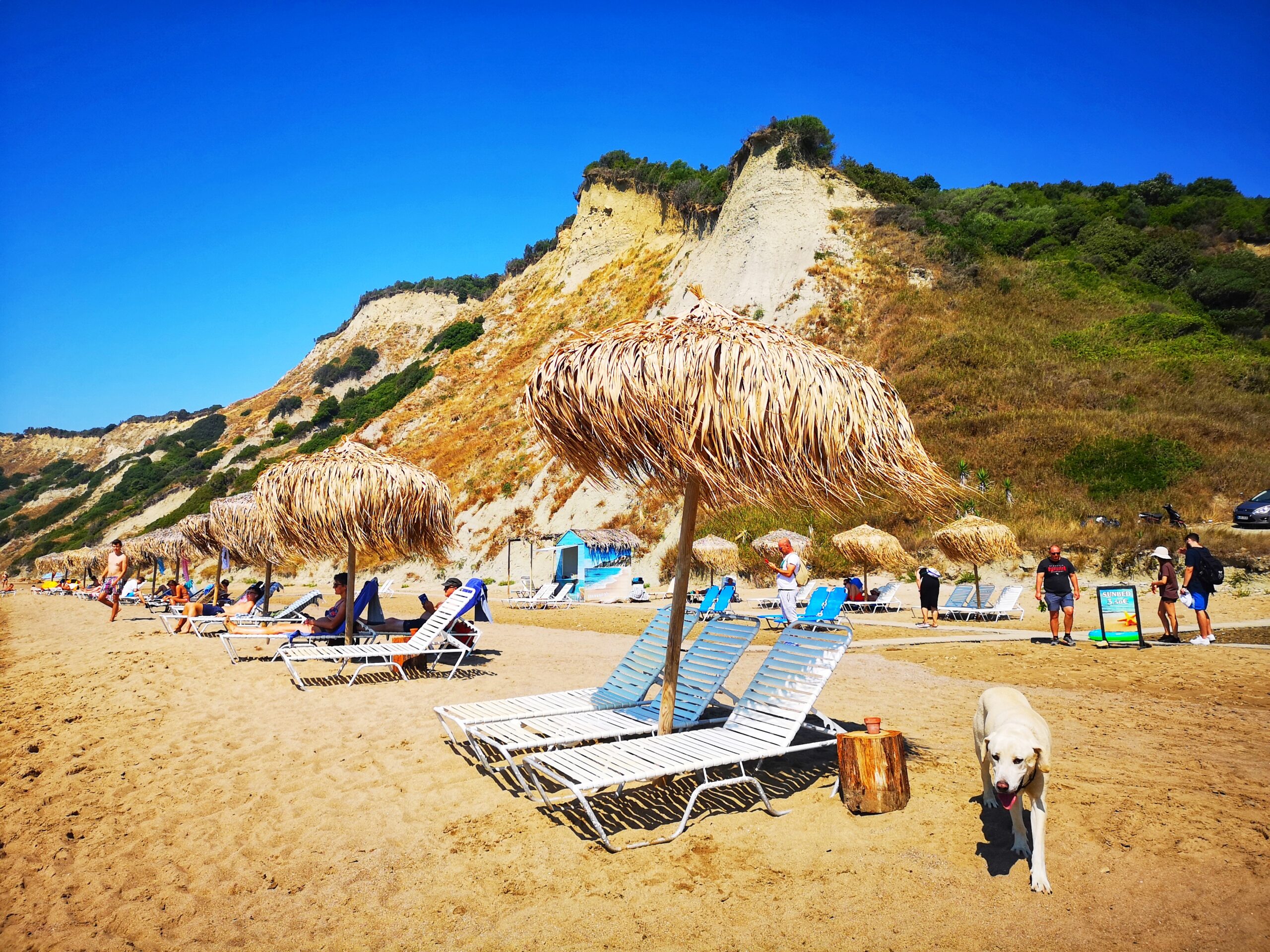
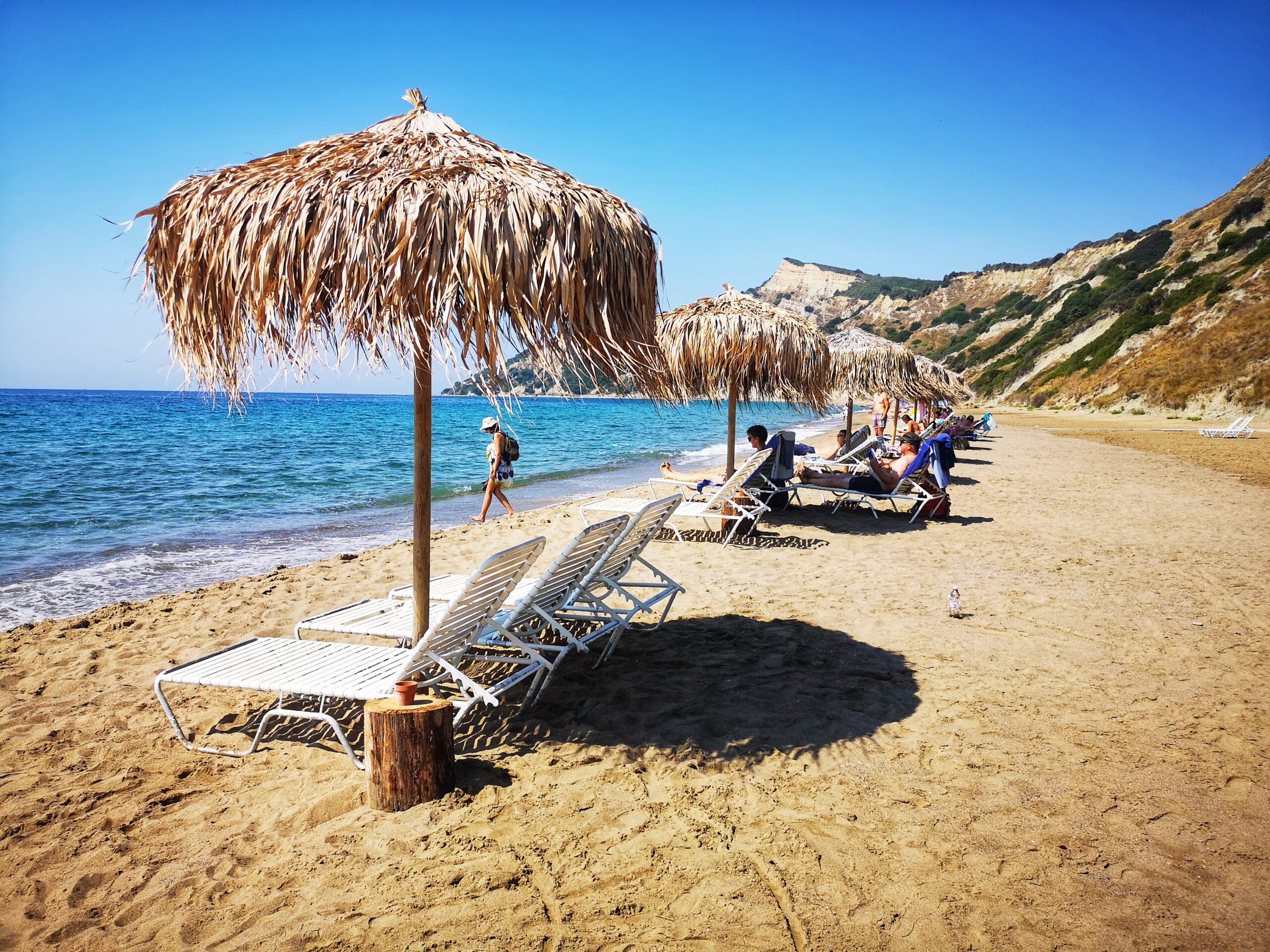
The journey begins at Asprokavos Beach—a magnificent, wide stretch of golden sand cradled by rugged mountains. This pristine coastline is so natural that in June, you might even spot the tracks of large sea turtles who arrive to bury their eggs in the sand.
While a small kiosk and sunbeds offer comfort during the summer months, those seeking true peace and quiet will find it by heading further into the wild.
The Hike to the Monastery
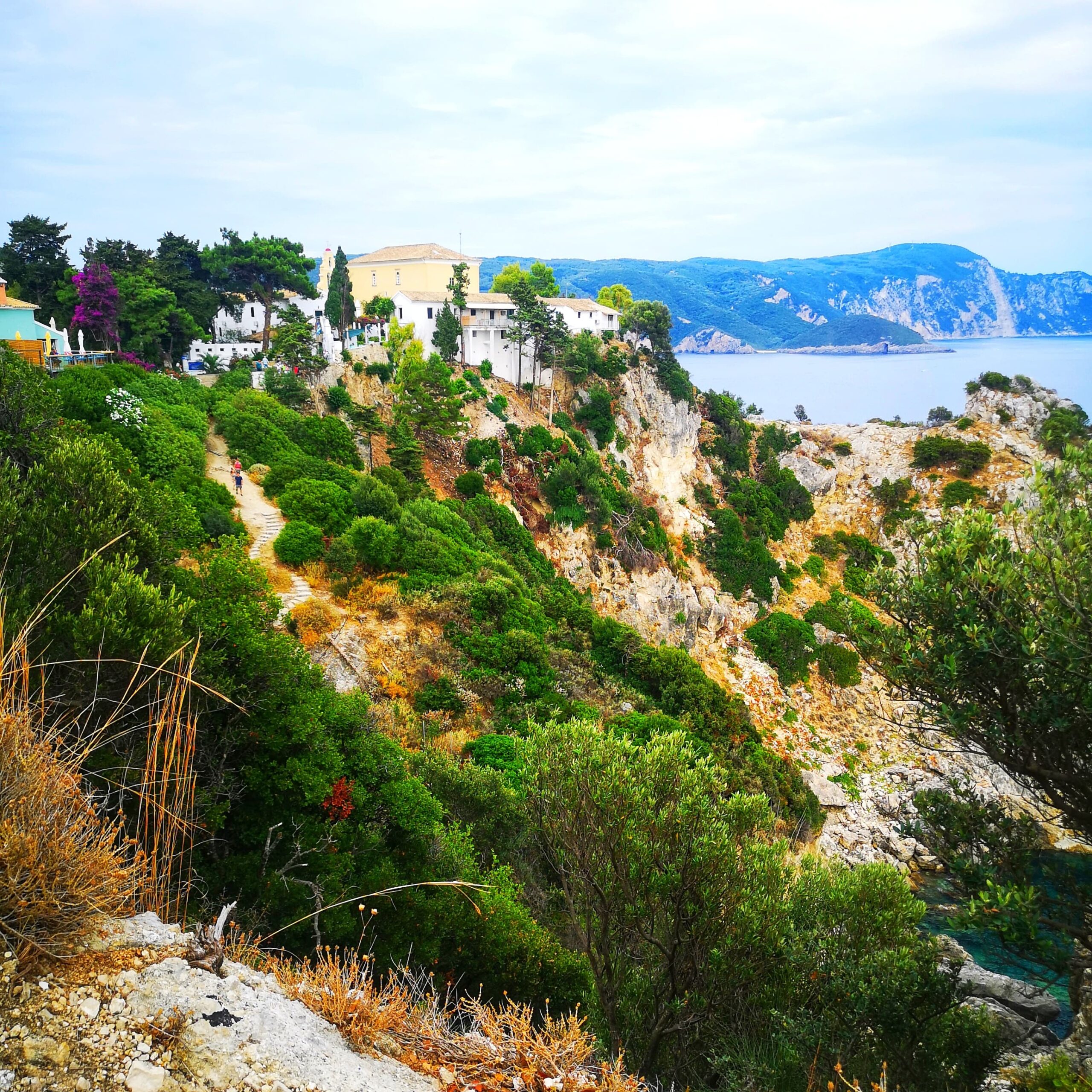
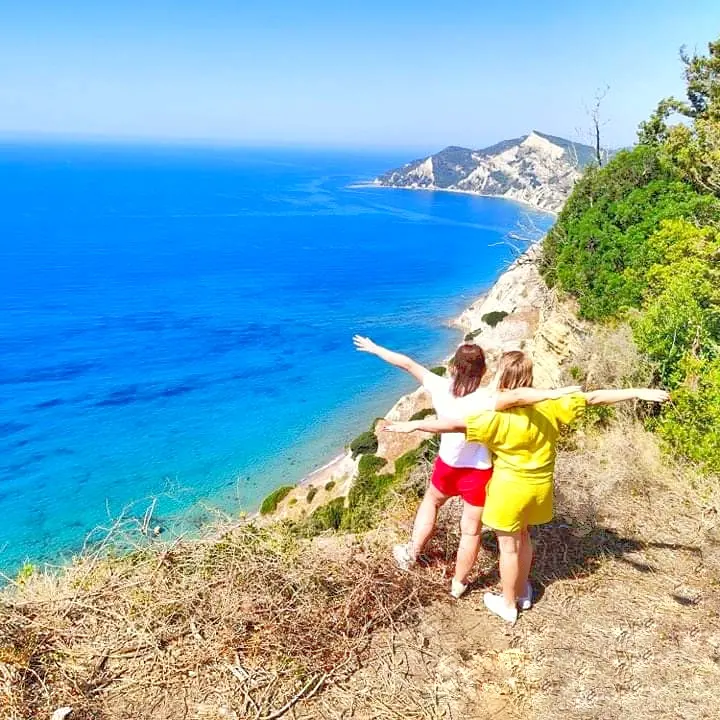
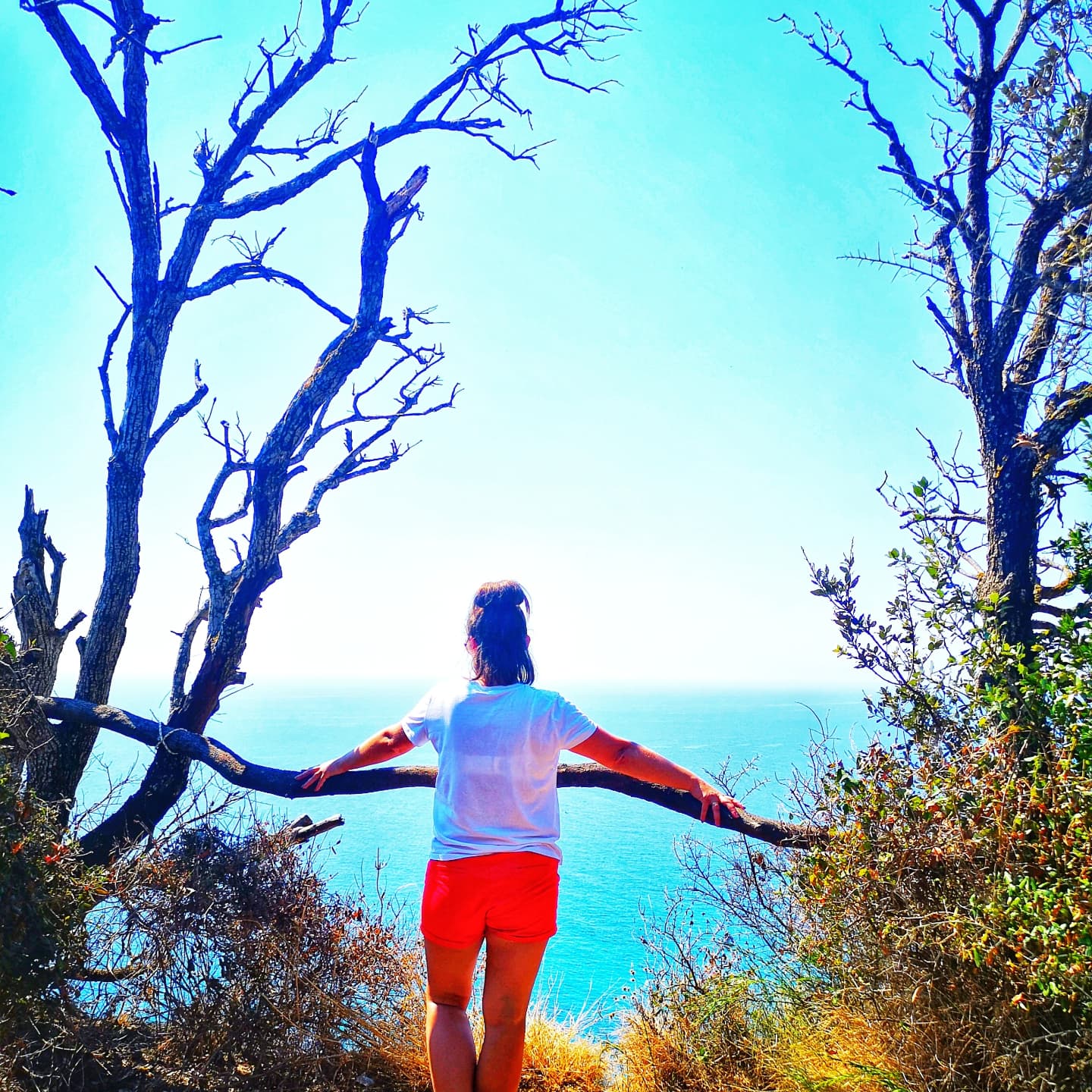
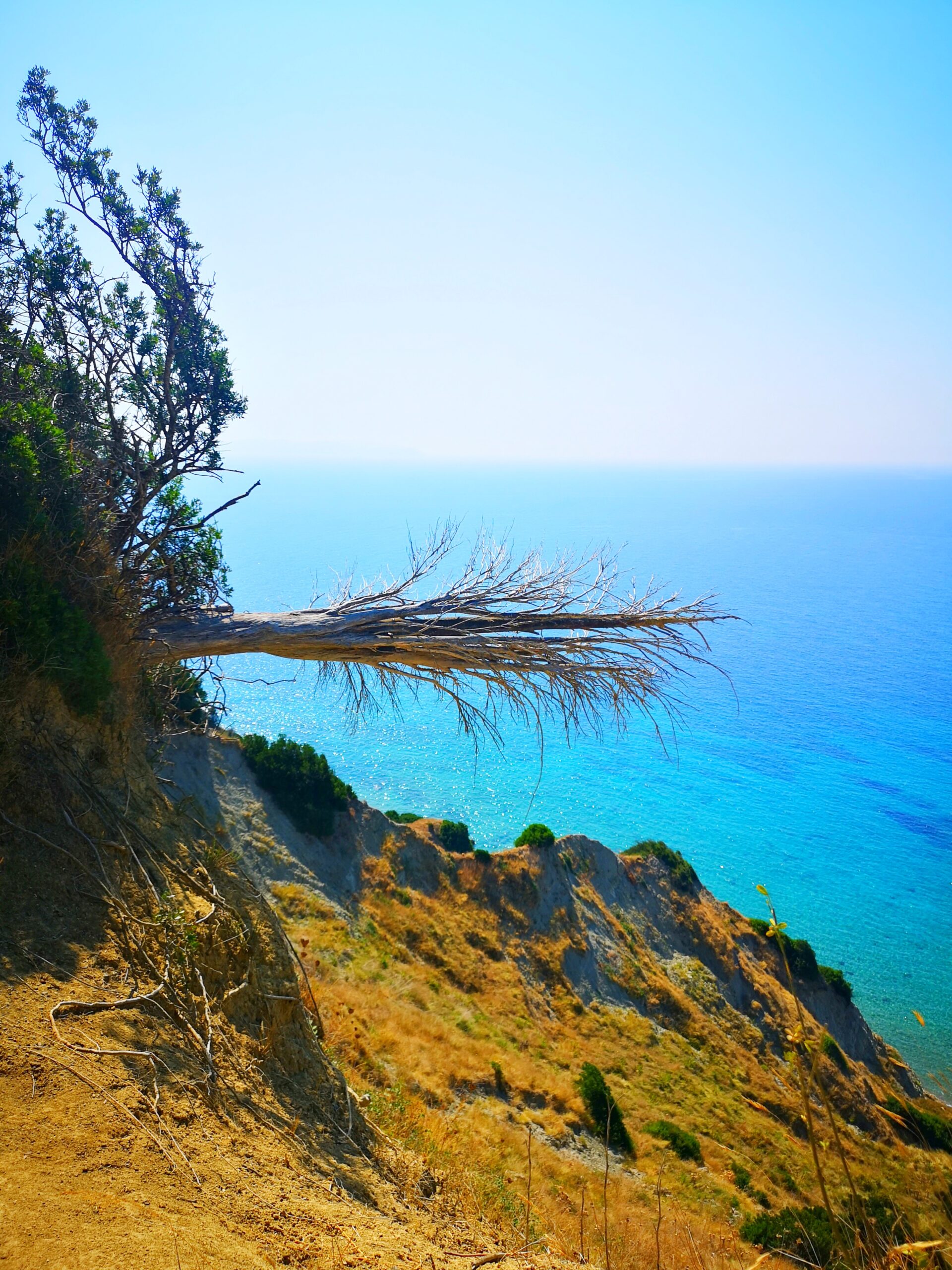
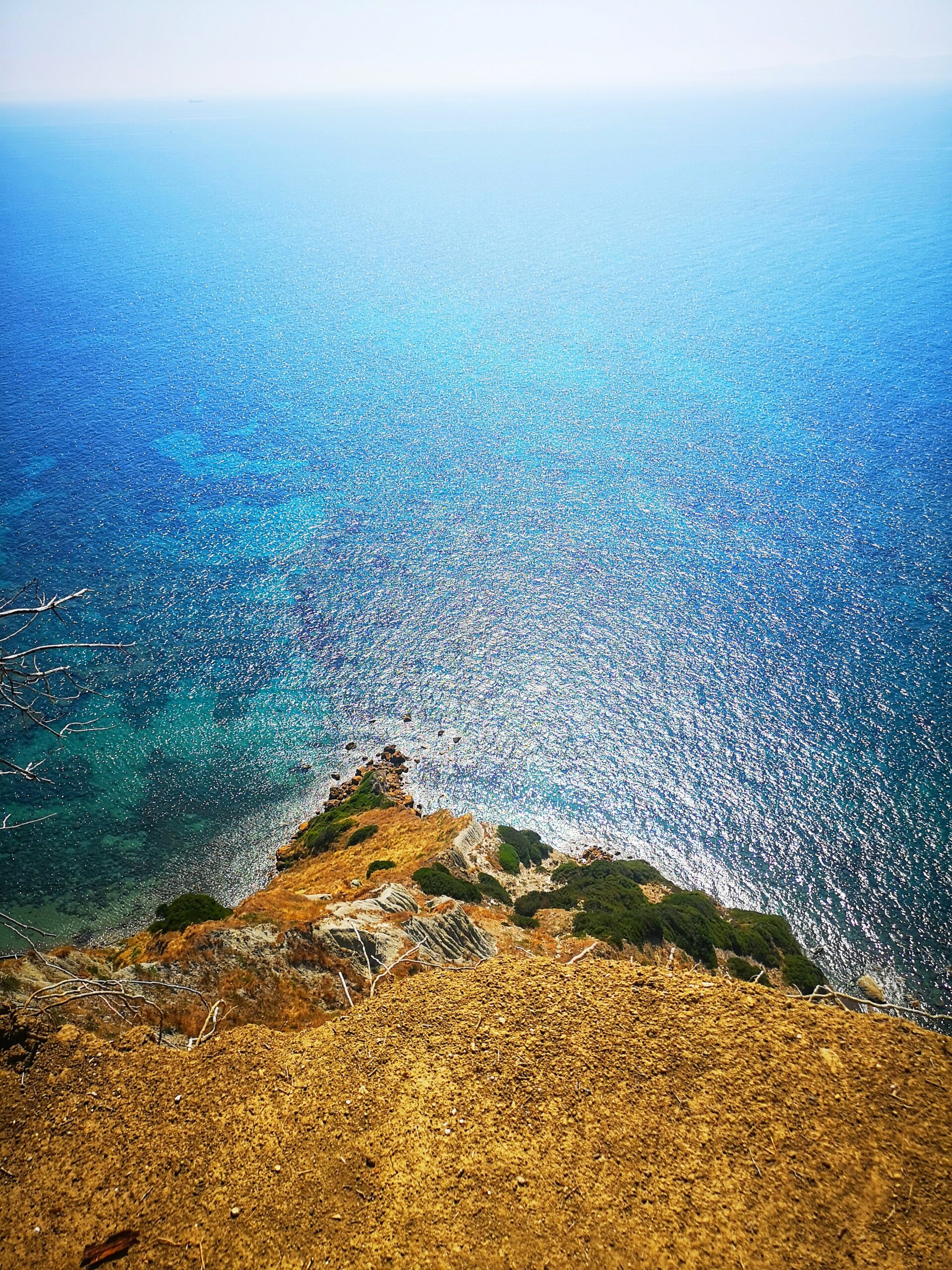
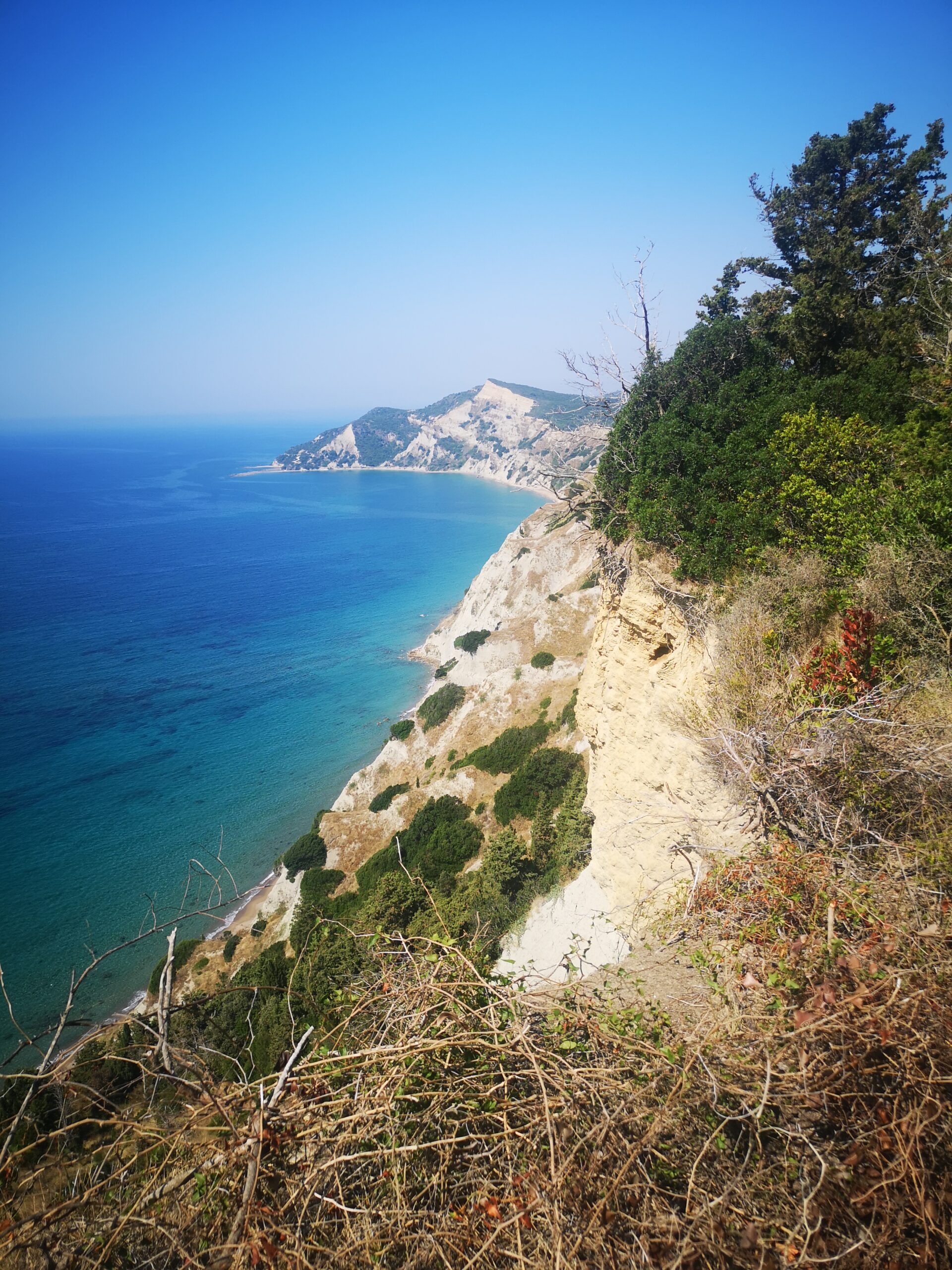
Don’t miss the hidden path leading to the Panagia Arkoudilas Monastery. The ascent is a bit of a challenge, but the reward is incomparable. Standing about 125 meters above sea level, you’ll be treated to a unique, panoramic view of the turquoise Ionian Sea and the nearby island of Paxos.
A Glimpse into the Past
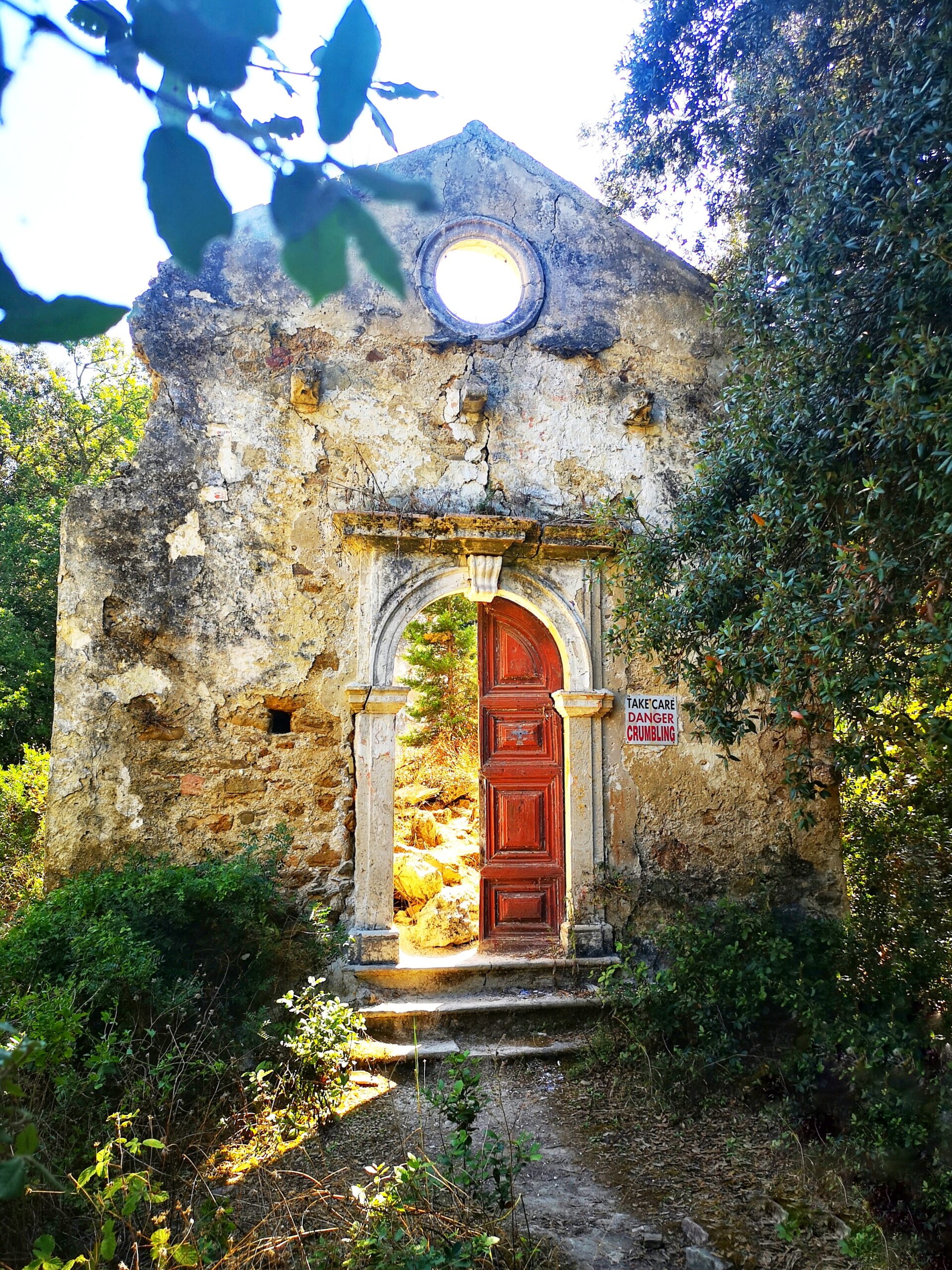
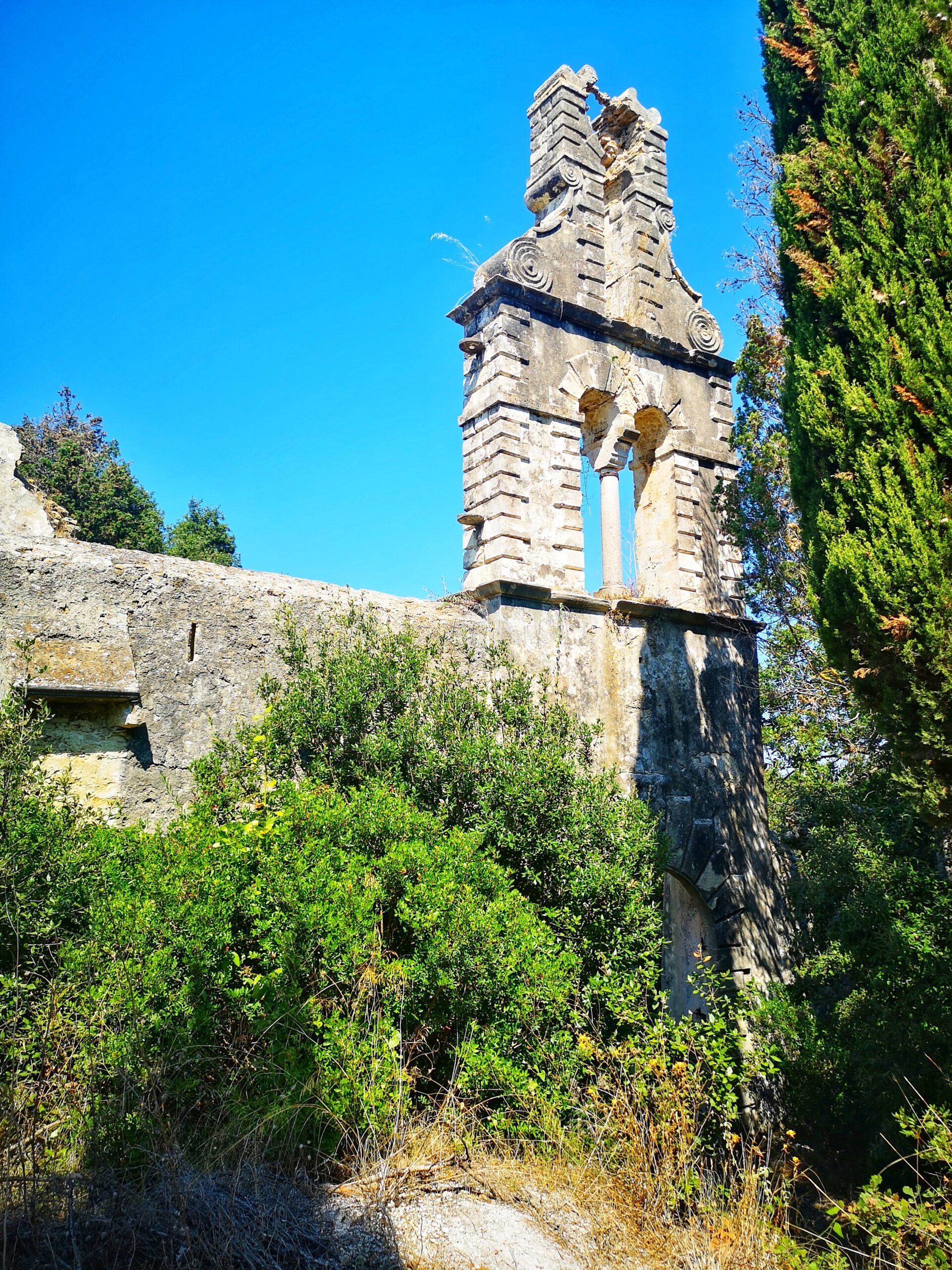
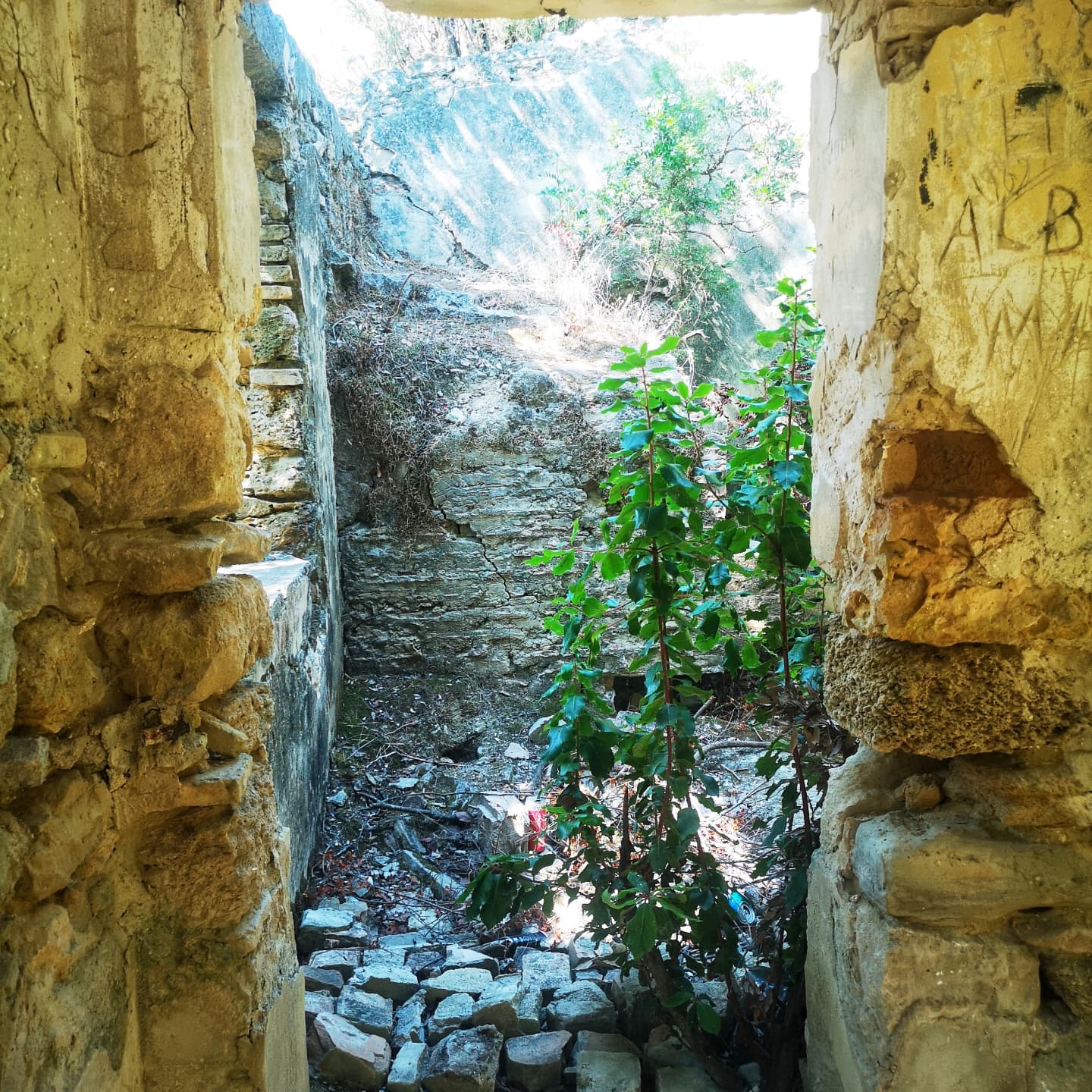
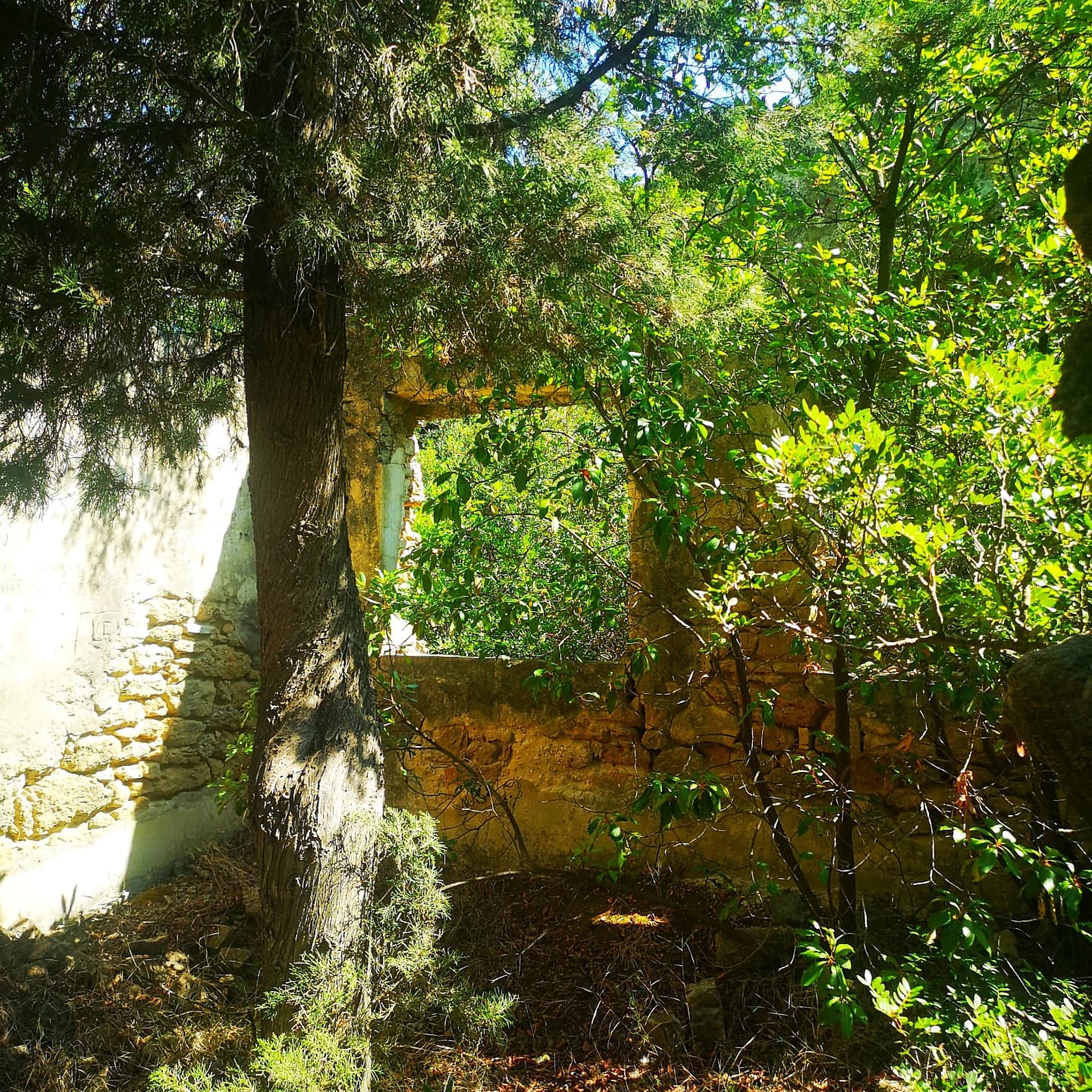
The monastery’s half-abandoned walls and vaulted defensive structures invite you to travel back to the 17th century. You’ll find old fortifications and a bell tower with stairs that seem to lead straight into the heavens.
The name “Arkoudila” is steeped in mystery. Some say it comes from arkouda (bear), named after the ancient “bear trees” that once grew here. Others believe it stems from the Greek words Arcos (defense) and dilon (space), marking it as a historical sanctuary where locals hid from pirate raids within the dense forest.
The Legend of the Quartan Family
Records of this site date back to 1562, with the monastery reportedly renovated in 1710 by the Quartan family, an aristocratic Italian house listed in the Libro D’oro (The Golden Book of Nobility). Keep an eye out for their coat of arms above the entrance gate: a hand holding a pomegranate, wheat, and grapes.
Fun Fact: The coat of arms represents only three seasons: Spring, Summer, and Autumn. The family name allegedly comes from the Italian Quarta no (“No fourth”), omitting Winter because it represented a time of decline and hardship.
Modern Miracles
Though a storm 40 years ago caused the roof to collapse, the spirit of the monastery remains alive. Every August 15th, for the Feast of the Assumption, locals gather to light candles.
Adjacent to the ruins is a small, well-kept chapel built by a family as thanks for their daughter’s recovery from an incurable illness—now a place where many come to pray for healing.
Traveler’s Tip: The Secret Route
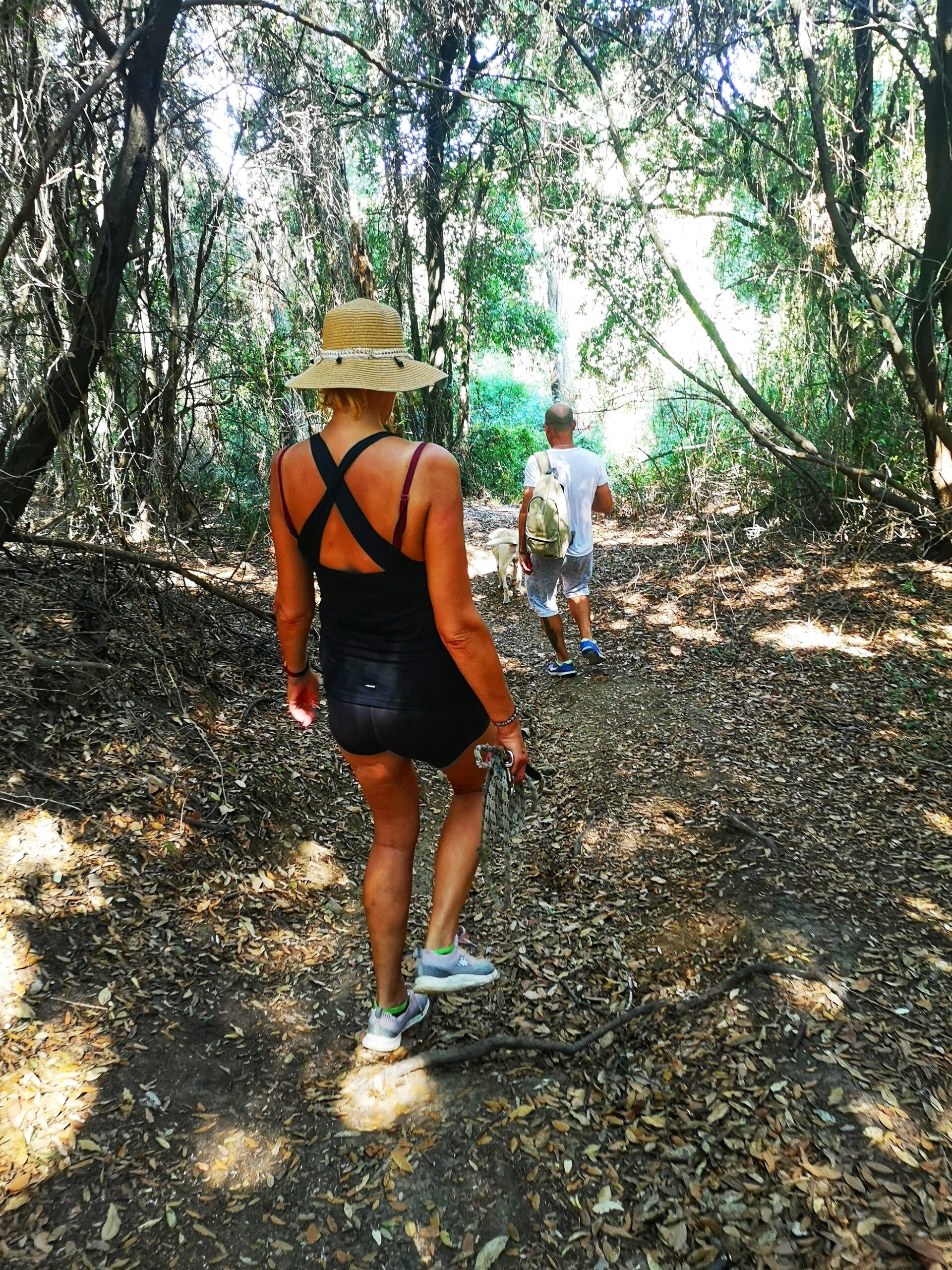
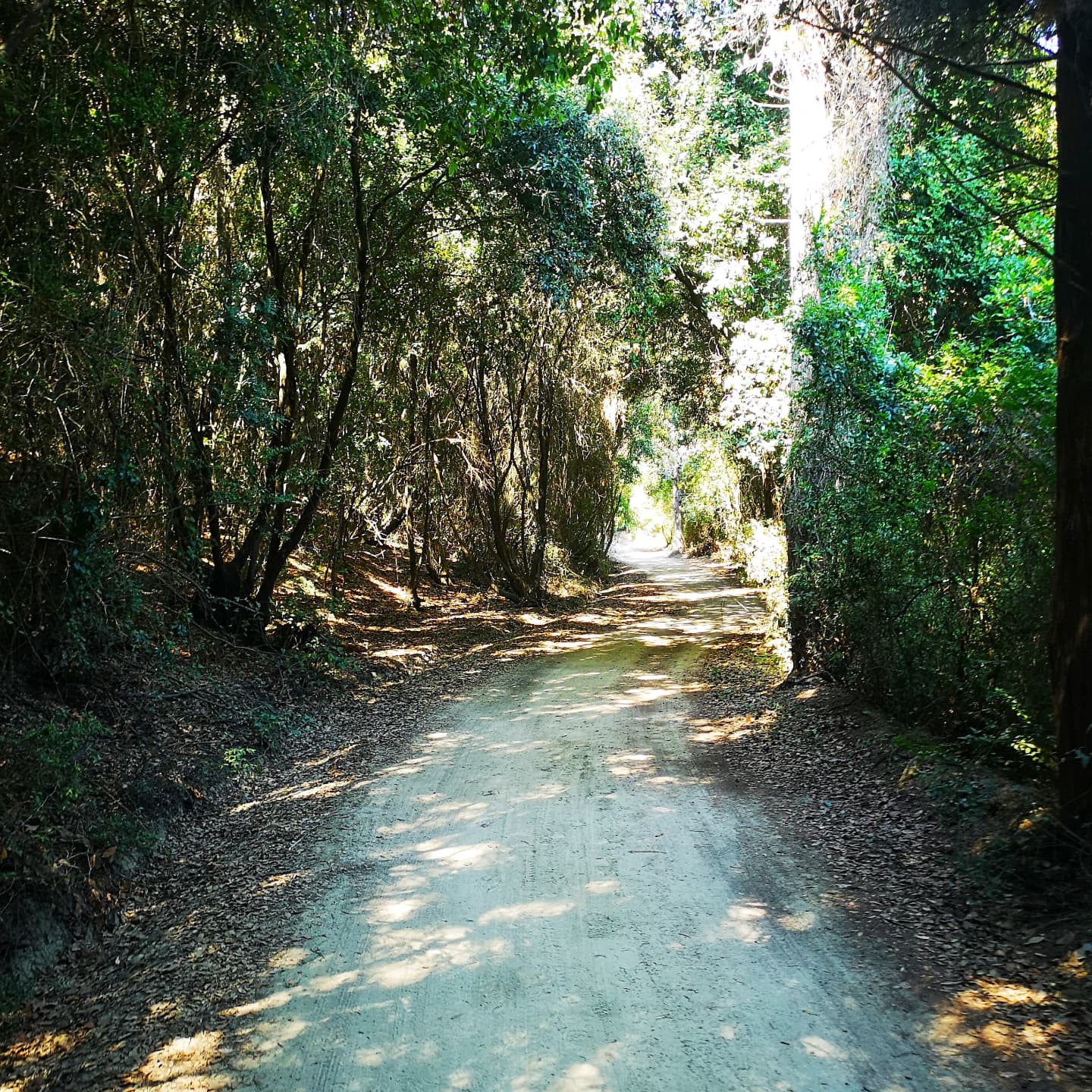
After exploring the ruins, don’t just turn back! Follow the marked trail deeper into the forest.
This path winds through stunning greenery and eventually loops back toward the main road near the beach. It is a peaceful, scenic route that will leave a lasting impression.