
Koumaria: The "Strawberry Tree" of the Greek Forest
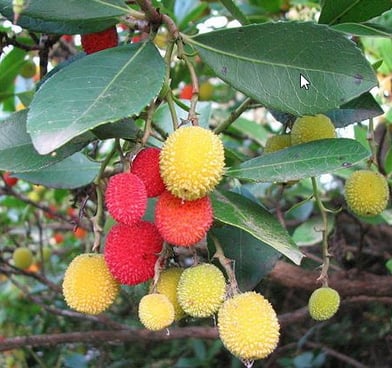
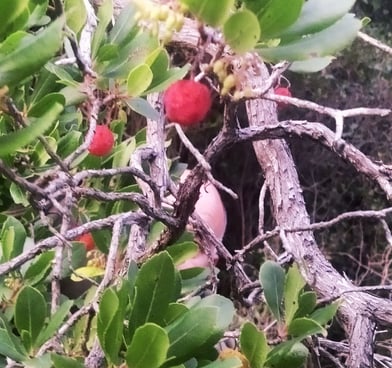
While wandering the sun-dappled trails of Corfu, you might spot a vibrant evergreen shrub adorned with white flowers and curious, “fluffy” red berries. Meet the Koumaria—a tree so beautiful and resilient that it has been celebrated by philosophers, healers, and even goddesses since ancient times.
The Greeks call this tree Koumaria and its fruit Koumara. To the rest of the world, it is known as the Strawberry Tree(Arbutus unedo). The Roman naturalist Pliny the Elder gave it this Latin name, derived from unum edo—meaning “I eat only one.”
This hardy, evergreen shrub is a true survivor; even after a forest fire, it is among the first to send out brave new shoots. It is also one of the rare plants that can simultaneously display delicate, bell-like flowers and ripe, colorful fruit at the very same time.
The Koumaria’s healing reputation dates back to Greek mythology. It is said that the goddess Artemis would treat sick children while holding a branch of Koumaria in her hands. Centuries later, Hippocrates used the fruit to treat inflammation and blood clots, recognizing the plant’s powerful medicinal properties.

The Greek Nature’s Pharmacy
Every part of the Koumaria serves a purpose in traditional folk medicine:
The Leaves: Collected year-round, a decoction of the leaves is a traditional remedy for sore throats and digestive issues. They are also known to help manage hypertension and diabetes.
The Roots: Historically used to improve circulation and lower high blood pressure.
The Berries: A natural source of Vitamin C and fiber, the fruit acts as a gentle diuretic and has been used to aid those suffering from chronic bronchitis or kidney health.
A Gourmet (and Potent) Treat
In the kitchen, Koumara are transformed into delicious jams, jellies, and traditional spirits.
However, there is a secret to eating them fresh:
Wait for the Ripeness: Only eat the berries when they are deep red, soft, and slightly brown. Unripe berries are hard and tasteless.
Don’t Overindulge: Be careful with very overripe fruit! They naturally ferment on the branch. If you eat too many, you might find yourself feeling a little dizzy or “drunk”—a phenomenon noted by locals for generations.
Local Tip: For a traditional Greek flu remedy, try Koumari Raki mixed with a bit of sugar and cinnamon. It’s a warming, potent drink used to chase away fevers.